
Product overview

Smooth ball catch made of brass - 40.0013
( Produktów: 4 )

Smooth ball catch made of stainless steel - 40.0013.INOX
( Produktów: 6 )

Threaded ball plunger with slot and high spring force - 40.0002
( Produktów: 9 )
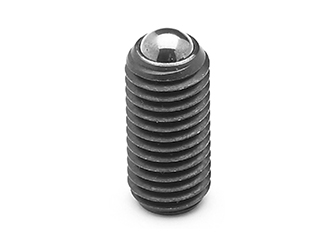
Threaded ball plunger with slot and low spring force - 38.0030
( Produktów: 9 )
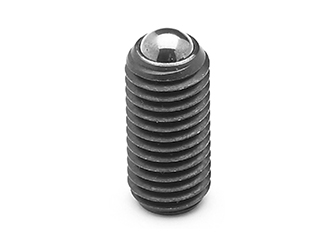
Threaded ball plunger with hexagon socket - 38.0307
( Produktów: 8 )

Threaded ball plunger with flange, made of steel, with a screwdriver slot - 40.0012
( Produktów: 6 )

Threaded plunger with ball and high spring force - 40.0002.INOX
( Produktów: 9 )
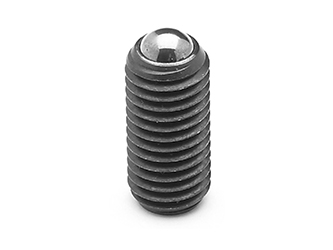
Threaded ball plunger with high spring force and hex socket - 40.0004
( Produktów: 9 )
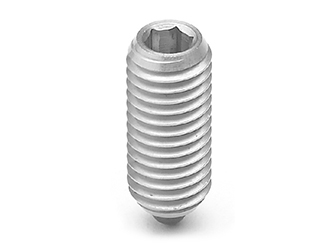
Threaded ball plunger with stainless steel ball and hex socket - 38.0308.INOX
( Produktów: 8 )
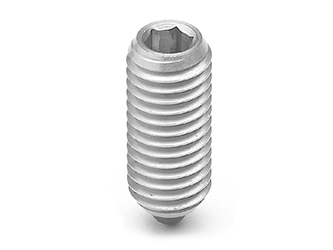
Threaded ball plunger, made of stainless steel, with hex socket, with reinforced spring force - 40.0004.INOX
( Produktów: 9 )
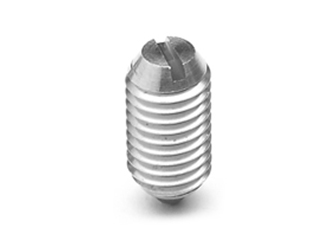
Threaded ball plunger, made of stainless steel, with a screwdriver slot - 38.0031.INOX
( Produktów: 9 )

Threaded latch with a cylindrical head and screwdriver slot - 40.0012.INOX
( Produktów: 6 )
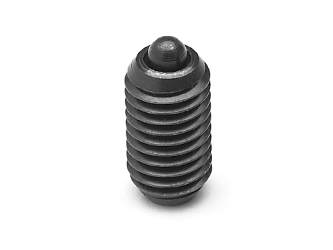
Threaded latch with pin and hex socket - 40.0007
( Produktów: 9 )

Threaded latch with pin and hexagonal socket with high clamping force - 40.0008
( Produktów: 7 )
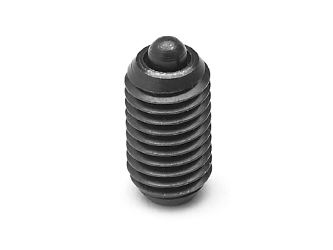
Threaded latch with pin and screwdriver slot - 40.0005
( Produktów: 9 )
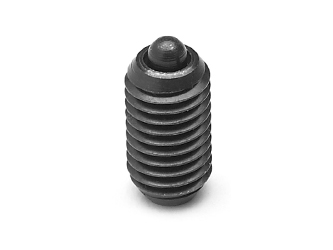
Threaded latch with a pin and screwdriver slot with high clamping force - 40.0006
( Produktów: 7 )

Threaded catch with pin and internal hexagon - 40.0009
( Produktów: 10 )

Threaded latch with pin and internal hexagon, high clamping force - 40.0010
( Produktów: 8 )

Threaded pin latch made of stainless steel, with a hex socket, reinforced clamping force - 40.0008.INOX
( Produktów: 7 )
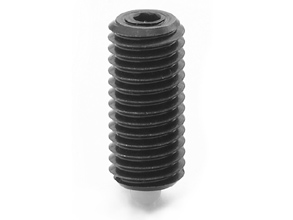
Threaded latch with plastic pin and internal hex - 40.0011
( Produktów: 7 )
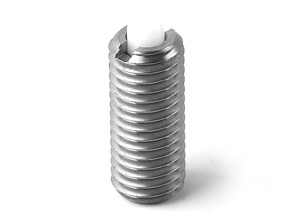
Threaded catch with plastic pin and internal hexagon - 40.0011.INOX
( Produktów: 7 )
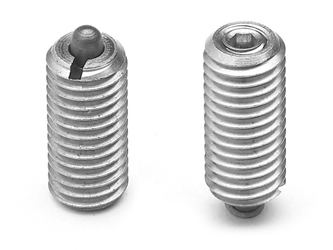
Threaded pin latch, stainless steel, with screwdriver slot and hex socket, with reinforced clamping force - 40.0010.INOX
( Produktów: 8 )

Threaded pin latch made of stainless steel, with a hex socket - 40.0007.INOX
( Produktów: 9 )
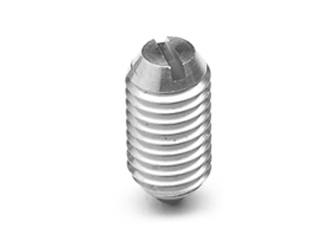
Threaded pin latch, made of stainless steel, with screwdriver slot - 40.0005.INOX
( Produktów: 9 )

Threaded pin latch made of stainless steel, with a screwdriver slot and hex socket - 40.0009.INOX
( Produktów: 10 )
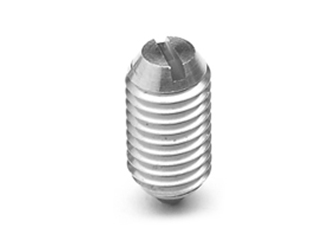
Threaded pin latch made of stainless steel, with a screwdriver slot, featuring reinforced clamping force - 40.0006.INOX
( Produktów: 7 )
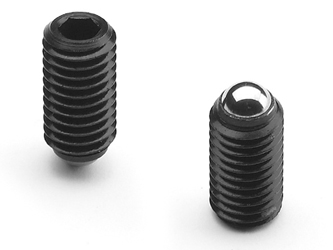
Ball plunger screw - 6.0849
( Produktów: 41 )

Ball plunger screw made of stainless steel - 6.0849.INOX
( Produktów: 33 )

Threaded latch - 6.0251
( Produktów: 4 )

Stainless steel latch - 6.0253.INOX
( Produktów: 2 )

Threaded latch - 6.0241
( Produktów: 2 )

Threaded fastener with pin and hexagonal socket - 6.0249
( Produktów: 3 )

Threaded ball plunger - 6.0238
( Produktów: 3 )

Threaded latch - 6.0237
( Produktów: 5 )

Threaded plunger with ball and hex socket, with reinforced clamping force - 6.0246
( Produktów: 1 )

Threaded plunger with ball and hex socket - 6.0247.INOX
( Produktów: 2 )

Threaded plunger with ball and hexagonal socket, with reinforced clamping force - 6.0248.INOX
( Produktów: 1 )
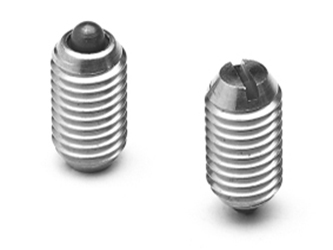
Threaded ball catch - 40.0001.INOX
( Produktów: 5 )

Threaded ball plunger with hex socket - 40.0003
( Produktów: 3 )

Threaded ball plunger with hexagon socket - 40.0003.INOX
( Produktów: 4 )
Not confirmed by purchase
Score: /5