
Product overview
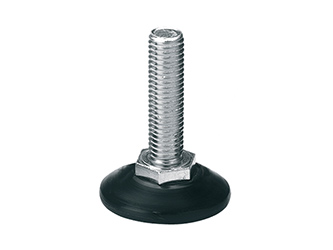
Adjustable Swivel Foot - 19.0001
( Produktów: 181 )

Fixed adjustable foot with a slot for a Phillips screwdriver in the base, with a stainless steel shaft - 19.0108.INOX
( Produktów: 2 )

Rotating adjustable foot - 19.0004
( Produktów: 62 )
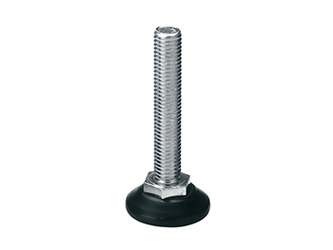
Fixed leveling foot – 19.0002
( Produktów: 185 )

Movable footer - 19.0008
( Produktów: 9 )
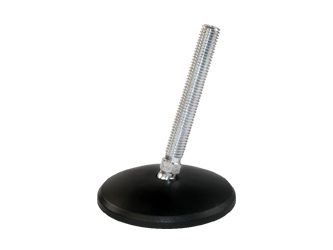
Movable foot - 38.1200
( Produktów: 360 )

Sliding foot - 6.0141
( Produktów: 1 )
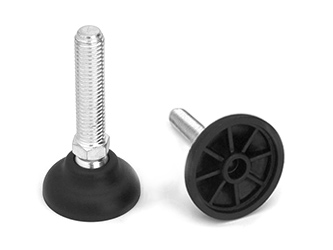
Movable footer - 6.0142
( Produktów: 27 )
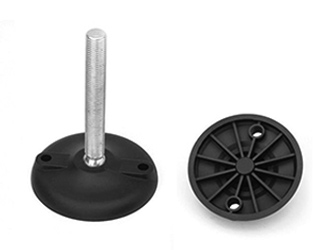
Sliding foot - 6.0144
( Produktów: 15 )
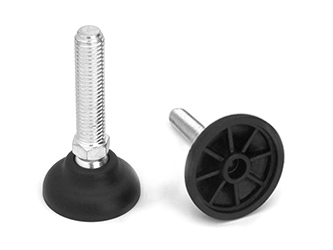
Movable footer - 6.0320
( Produktów: 3 )

Non-slip adjustable foot - 38.1202
( Produktów: 300 )
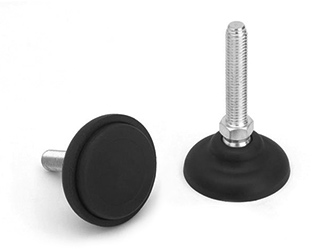
Non-slip movable foot - 6.0143
( Produktów: 24 )
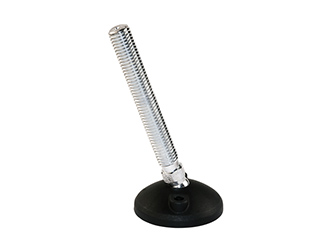
Adjustable foot with mounting holes - 38.1201
( Produktów: 180 )
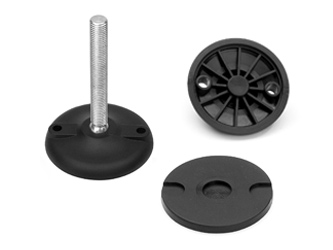
Adjustable foot with mounting holes - 6.0145
( Produktów: 16 )
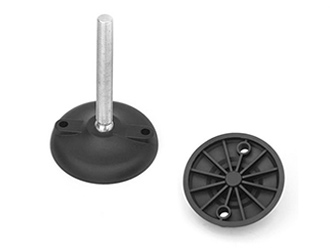
Adjustable foot with mounting holes - 6.0327
( Produktów: 2 )
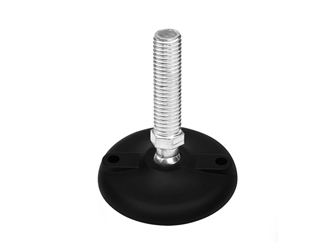
Adjustable foot with mounting holes - 6.0330
( Produktów: 2 )

Adjustable foot with mounting holes, anti-slip - 38.1203
( Produktów: 180 )
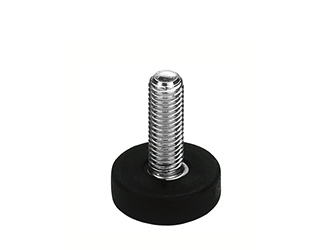
Fixed leveling foot - 19.0009
( Produktów: 37 )
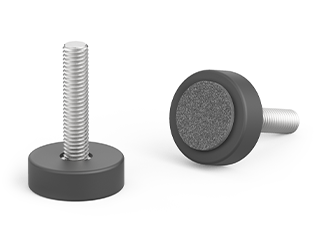
Fixed Levelling Foot with Felt- 19.0109
( Produktów: 9 )
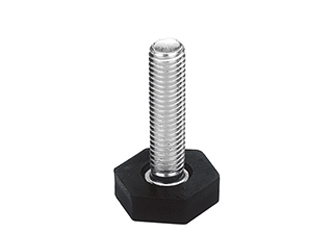
Hexagonal fixed leveling foot - 19.0014
( Produktów: 14 )

Hexagonal screw in leveling foot with felt pad – 19.0015
( Produktów: 2 )
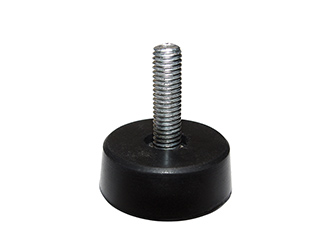
Rubber fixed foot - 19.0106
( Produktów: 20 )

Rubber fixed foot with stainless steel pin - 19.0106.INOX
( Produktów: 18 )
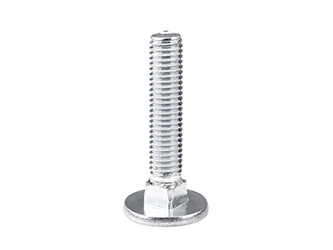
Fixed metal foot - 16.0002
( Produktów: 4 )
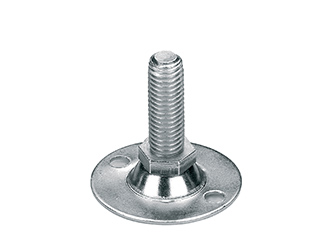
Steel adjustable foot - 19.0003
( Produktów: 30 )
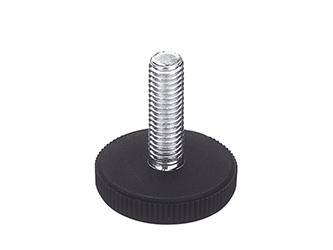
Knurled fixed foot - 19.0010
( Produktów: 39 )
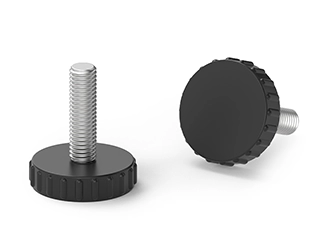
Coarse knurled knob without offset - 19.0110
( Produktów: 6 )
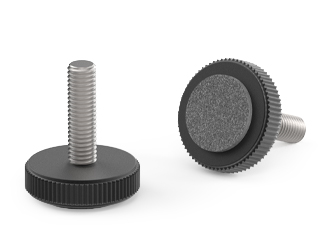
Fixed knurled foot with felt sliding surface - 19.0011
( Produktów: 5 )
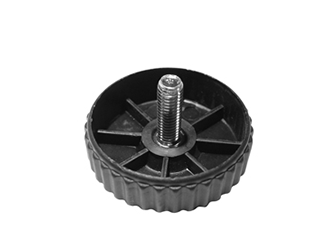
Fixed foot - 19.0070
( Produktów: 1 )
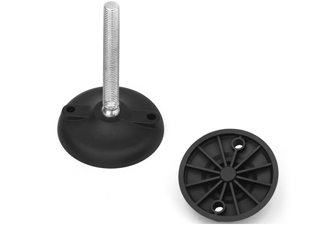
Adjustable foot with mounting holes - 6.0328
( Produktów: 22 )
Adjustable foot with mounting holes - 6.0328 (kopia)
( Produktów: 1 )
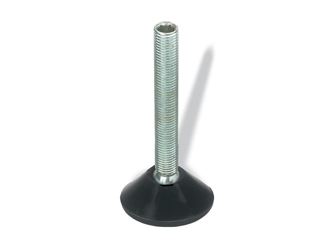
Movable foot - 19.0007
( Produktów: 2 )
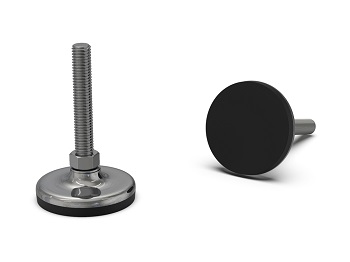
Adjustable stainless steel foot, anti-slip - 38.1305.INOX
( Produktów: 153 )
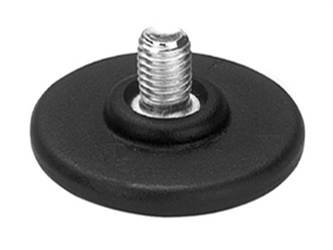
Flat fixed foot - 19.0012
( Produktów: 6 )
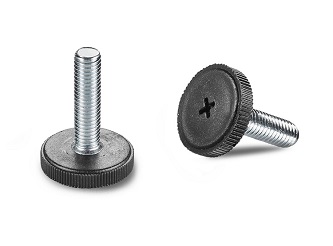
Knurled fixed foot - 6.0314
( Produktów: 10 )
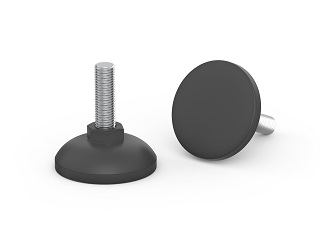
Adjustable fixed foot with built-in screw - 19.0202
( Produktów: 2 )
Fixed adjustable foot with built-in stainless steel screw - 19.0202.INOX
( Produktów: 2 )
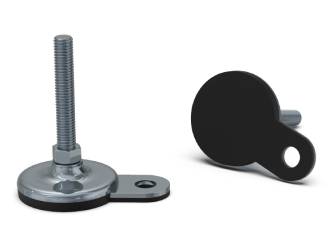
Adjustable steel foot, non-slip, with a one-sided mounting bracket - 38.1301
( Produktów: 49 )
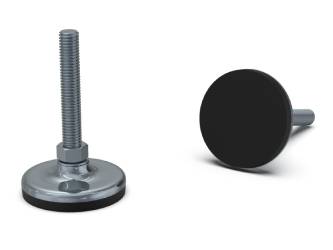
Adjustable steel anti-slip foot - 38.1300
( Produktów: 91 )
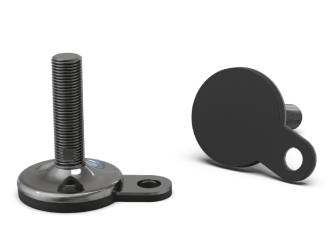
Adjustable stainless steel foot, anti-slip, with single-sided mounting bracket - 38.1306.INOX
( Produktów: 80 )
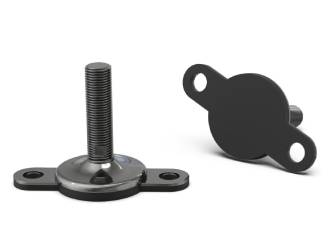
Adjustable stainless steel foot, non-slip, with double-sided mounting bracket - 38.1307.INOX
( Produktów: 53 )
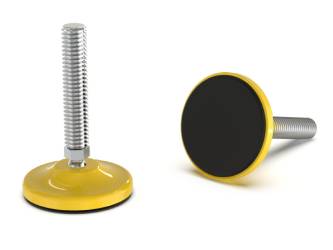
Swivel steel anti-slip foot - 38.1321
( Produktów: 83 )
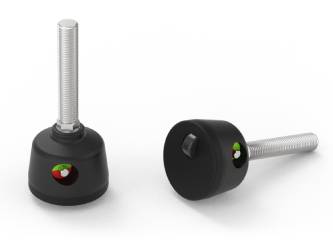
Foot with retractable wheel and threaded stem - 16.1280
( Produktów: 1 )
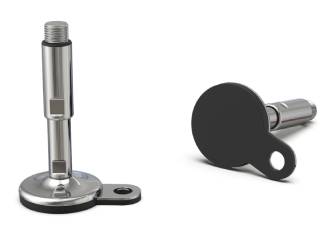
Adjustable stainless steel foot, hygienic, non-slip, with a single-sided mounting bracket - 38.1311.INOX
( Produktów: 14 )
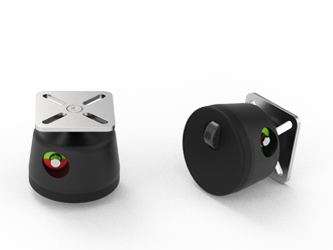
Retractable wheel foot with mounting plate - 16.1281
( Produktów: 1 )
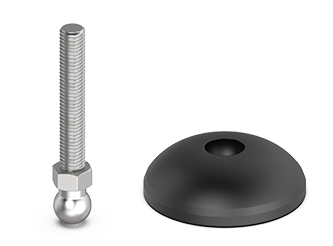
Adjustable foot for self-assembly - 38.1200.ESR
( Produktów: 62 )
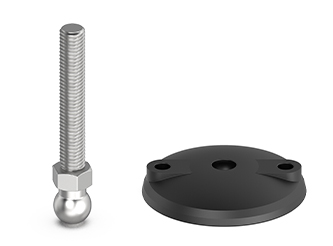
Swivel foot with mounting holes, for self-assembly - 38.1201.ESR
( Produktów: 58 )
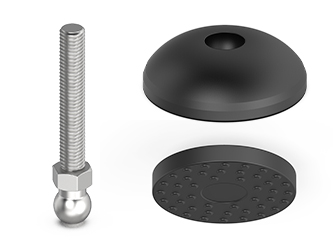
Non-slip adjustable foot, self-assembly - 38.1202.ESR
( Produktów: 70 )
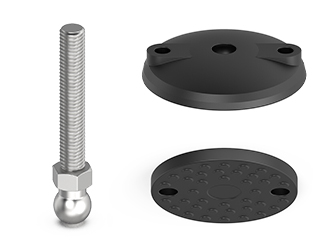
Swivel foot with mounting holes, non-slip, self-assembly - 38.1203.ESR
( Produktów: 62 )
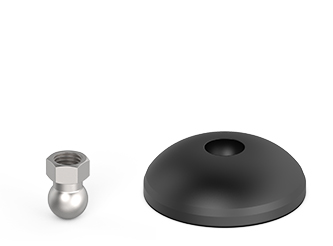
Swivel foot with internal thread, for self-assembly - 38.1204.ESR
( Produktów: 11 )
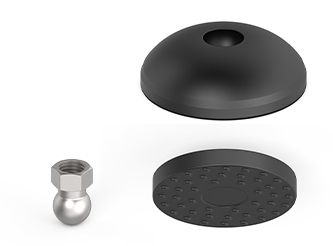
Swivel foot with internal thread, non-slip, self-assembly - 38.1205.ESR
( Produktów: 19 )
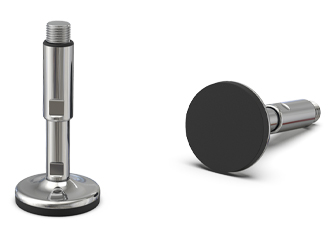
Adjustable stainless steel foot, hygienic, anti-slip - 38.1310.INOX
( Produktów: 27 )
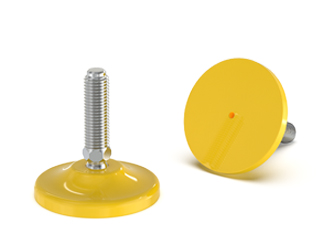
Adjustable steel foot - 38.1320
( Produktów: 83 )
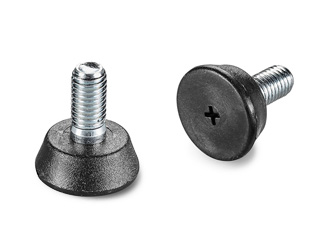
Fixed footer - 6.0315
( Produktów: 8 )
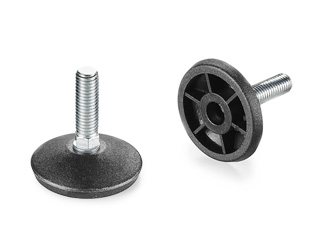
Adjustable foot with swivel stem - 6.0316
( Produktów: 4 )
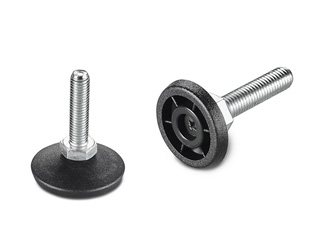
Adjustable foot with swivel stem - 6.0317
( Produktów: 4 )
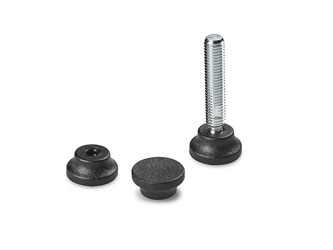
Swivel foot with keyway - 6.0318
( Produktów: 12 )
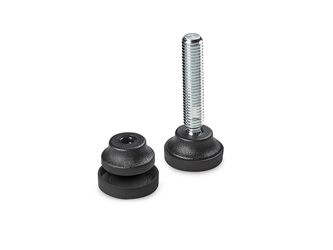
Anti-slip adjustable foot with key slot - 6.0319
( Produktów: 12 )
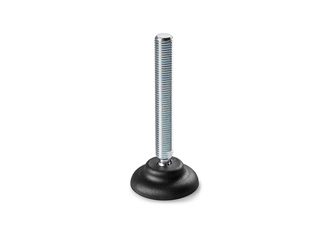
Swivel foot with a keyway cutter in the shank, R12.5 - 6.0321
( Produktów: 6 )
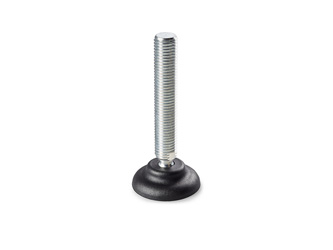
Swivel foot with a keyway cutter on the shaft, R15 - 6.0322
( Produktów: 6 )
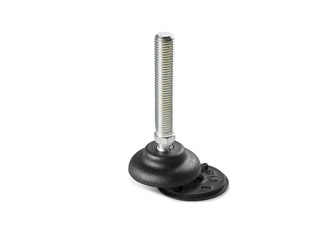
Non-slip swivel foot, R15 - 6.0323
( Produktów: 18 )
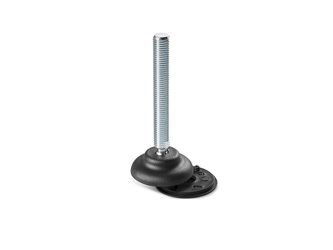
Non-slip swivel foot with a key slot, R12.5 - 6.0324
( Produktów: 6 )
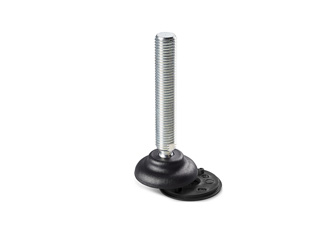
Non-slip swivel foot with a key slot, R15 - 6.0325
( Produktów: 6 )
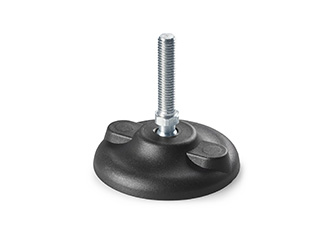
Swivel foot with mounting holes, R12.5 - 6.0326
( Produktów: 6 )
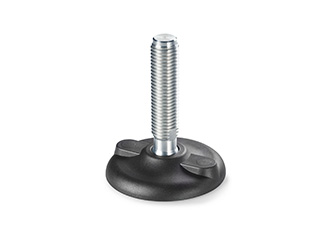
Swivel foot with mounting holes and key slot, R24 - 6.0329
( Produktów: 25 )
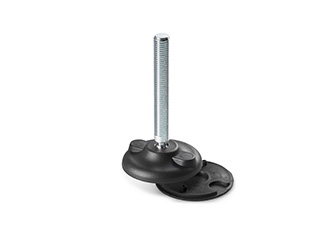
Swivel foot with mounting holes, key slot, and anti-slip pad, R12.5 - 6.0331
( Produktów: 7 )
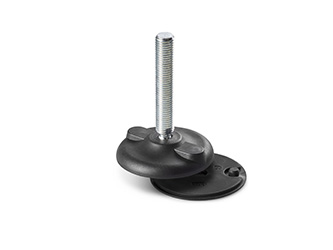
Swivel foot with mounting holes, wrench flat, and anti-slip pad, R15 - 6.0332
( Produktów: 21 )
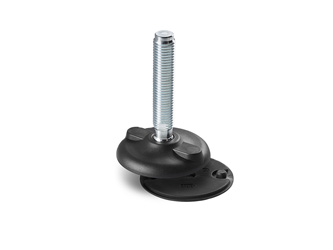
Swivel foot with mounting holes, wrench flat, and anti-slip pad, R24 - 6.0333
( Produktów: 30 )
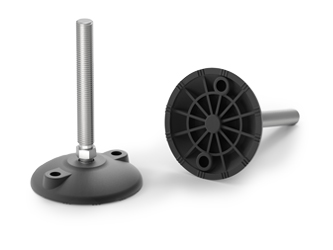
Stopka wahliwa z otworami montażowymi - 38.2201
( Produktów: 46 )
Not confirmed by purchase
Score: /5